Interwine Guide to Chinese-language localization
A commercial B2B guide for international wineries and producers on Chinese-language localization, covering trademark registration, compliant back labels, storytelling, and trade fair engagement.
Entering the Chinese wine market requires far more than translating marketing collateral word-for-word. Chinese-language localization is a strategic commercial process that protects your intellectual property, satisfies strict customs compliance standards, and shapes brand perception among professional distributors and consumers. With China's wine market reaching an estimated valuation of USD 57.25 billion in 2024 according to Deep Market Insights (2024), international wine producers must approach brand naming, regulatory labeling, and sales storytelling with precise cultural and legal intent. To secure qualified buyers and build sustainable distribution channels, international wine brands can explore opportunities to Become an Exhibitor at China’s major industry platforms.
Strategic Brand Naming: Transliteration, Phonetics, and Commercial Value
For an international winery, your Chinese brand name is your core asset. If you do not assign a standardized Chinese name to your brand, the market—importers, gray-market traders, or media—will invent one for you. In China's commercial ecosystem, a passive naming strategy introduces severe brand dilution and commercial vulnerability.
The Mechanics of Chinese Wine Naming
Producers typically pursue three distinct naming methodologies:
- Phonetic Transliteration (Yiyin): This approach reproduces the acoustic profile of your original Latin name using Chinese characters. While it preserves phonetic familiarity, selecting characters with inappropriate connotations can harm brand prestige. Effective phonetic localization selects characters that sound like the original while conveying dignity, elegance, or authenticity.
- Conceptual Translation (Yiyin / Meaning-Based): This method translates the core meaning, historical reference, or visual icon of the estate (e.g., "Stone Castle" translated through characters representing geological heritage or nobility). It provides instant contextual storytelling to Chinese buyers who may not speak European languages.
- Harmonized Hybridization: The most successful global wine brands in China combine phonetic alignment with aspirational semantic value. A celebrated example is Treasury Wine Estates' Penfolds, localized as Benfu (奔富), which phonetically mirrors the Latin brand while expressing the auspicious wish "running toward wealth." This harmonious localization made the brand an indispensable staple for gifting and business banquets.
Intellectual Property Protection and Trademark Registration
China operates under a strict "first-to-file" trademark system overseen by the China National Intellectual Property Administration (CNIPA). Registering your Latin brand name in your home jurisdiction offers zero legal protection in mainland China. Wineries must simultaneously file for both their original Latin trademark and their registered Chinese name across Class 33 (alcoholic beverages). Failing to file your localized Chinese brand name before presenting your portfolio exposes you to trademark squatting, leaving you unable to export or distribute your wine under your own name without costly legal litigation or buyouts.
Mandatory Chinese Back-Label Compliance: National Standards (GB 7718)
Commercial success in China depends entirely on passing customs clearance under the General Administration of Customs of China (GACC). Non-compliant labeling remains one of the primary reasons foreign wines are rejected, quarantined, or returned at Chinese ports. According to import data compiled by BestWineImporters (2025), while China's wine import volumes contracted in early 2025 (154 million liters imported between January and July 2025, a 33% year-on-year volume decrease), the average import price rose by 38%, underscoring a distinct shift toward higher-value, compliant premium shipments.
To ensure flawless customs processing, wineries must design a dedicated, legally compliant Chinese back label adhering to GB 7718 (General Standard for the Labeling of Prepackaged Foods) and GB 2758 (National Food Safety Standard for Fermented Alcoholic Beverages). Every commercial bottle must feature a Chinese label displaying:
- Mandatory Product Name: An exact, legally accurate designation (e.g., "Dry Red Wine" / 干红葡萄酒).
- Ingredients List: Must include grape juice and mandatory food additive disclosures, specifically "sulfur dioxide" (二氧化硫) or antioxidants.
- Net Volume and Alcohol By Volume (ABV): Specified in metric units (e.g., 750ml, 13.5% vol).
- Country of Origin and Production Region: Full geographic disclosure matching the Certificate of Origin.
- Distributor / Importer Information: The registered corporate name, address, and Chinese telephone contact of the domestic licensed importer or distributor.
- Storage Conditions and Warnings: Standard storage parameters (e.g., "store horizontally in a cool, dark place") and statutory health warnings, including "Excessive drinking is harmful to health" (过量饮酒有害健康) and "Minors are prohibited from drinking alcohol" (未成年人请勿饮酒).
- Production Date and Expiration/Shelf Life: Mandatory date of bottling formatted to Chinese calendar standards.
Producers can review the latest trade regulations and commercial trends through dedicated Market Insights to avoid common customs inspection bottlenecks.
B2B Localization: Translating Terroir for Importers and Distributors
Direct, literal translation of Western tasting notes often alienates domestic buyers. Traditional European tasting sheets frequently cite flavors unfamiliar to Chinese palates, such as gooseberry, cassis, elderflower, or boysenberry. Localization requires adapting your technical sensory profiles without sacrificing the wine's intrinsic identity.
Sensory Adaptation
Replace obscure Western culinary references with relatable equivalents. For instance, describe bright acidity and red berry profiles using references such as hawthorn (山楂), bayberry (杨梅), Chinese dried plum (话梅), or red dates. Highlighting silky tannins, mouthfeel, and lingering finish aligns directly with the evaluative vocabulary of Chinese sommeliers and corporate wine buyers.
Culturally Grounded Storytelling
Corporate and regional buyers evaluate wine portfolios based on their commercial narrative. Chinese corporate banqueting and festive gifting prioritize heritage, natural purity, family continuity, and prestige. Align your estate's narrative around sustainable agricultural stewardship, estate history, and distinctive terroir rather than overly dense technical winemaking specifications. When developing commercial relationships, schedule formal meetings through dedicated Business Matching sessions to engage directly with qualified regional distributors.
Digital Ecosystem Localization: WeChat, Red, and Sales Materials
Traditional Western outreach channels—such as standard desktop websites, foreign PDF downloads, and email newsletters—are largely ineffective in China's digital marketplace. Local wine merchants and commercial distributors rely almost exclusively on integrated mobile-first ecosystems.
- WeChat Brand Presence: Every winery targeting mainland China should establish a verified WeChat Official Account or interactive Mini-Program. Digital technical sheets, winery videos, and commercial brand profiles should be delivered through high-speed, mobile-optimized Chinese servers accessible via scannable QR codes.
- Xiaohongshu (RED): Younger, status-conscious consumers turn to Xiaohongshu for peer reviews and educational lifestyle discovery. Localization on RED requires high-aesthetic imagery, concise educational tasting notes, and gifting advice.
- Localized Printed Sales Materials: When participating in domestic trade fairs, provide physical distributor sales decks printed in Simplified Chinese (Mandarin). Sales sheets should feature clear CIF/FOB pricing structures, packaging specifications, awards, and certifications alongside concise estate highlights.
Validating Your Localization Strategy at Interwine China
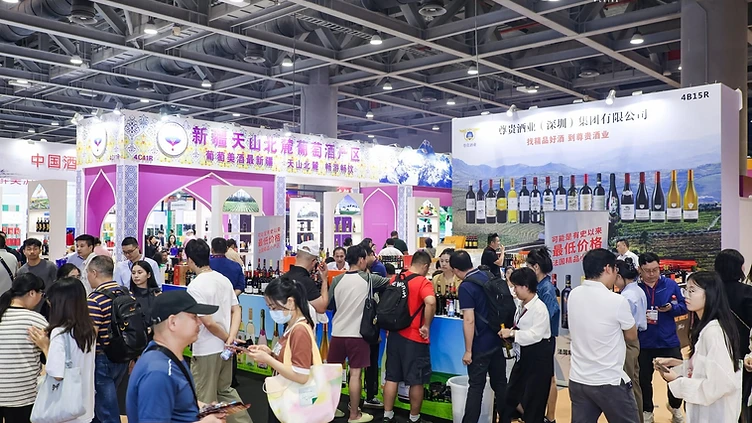
Theoretical market planning cannot replace on-the-ground validation with active buyers. South China's Guangdong province represents the epicenter of China's imported wine economy, accounting for over 60% of all wine imported into mainland China according to industry trade figures published on Interwine's platform (2024). Interwine China, the nation's longest-running B2B wine trade exhibition, serves as an essential testing ground where international estates can validate their localized brand names, packaging, and commercial positioning directly against competitor offerings.
Exhibiting at Interwine connects international wineries with over 50,000 professional trade visitors, group buyers, and regional distributors across Tier 1, Tier 2, and emerging Tier 3 cities. Participating in targeted seminars and Interwine Events allows producers to gauge real-time buyer reactions to their localized tasting notes, packaging choices, and wholesale pricing. Discover other participating brands and competitive category dynamics by reviewing the current Exhibitor Directory.
Conclusion: Turning Cultural Adaptation into Commercial Growth
Navigating China's dynamic wine market requires deliberate cultural adaptation, rigorous legal trademark registration, and strict adherence to customs food safety standards. Producers who take the time to build a legally protected Chinese brand name, design compliant back labels, and present localized, mobile-ready B2B storytelling consistently outperform those who rely on unadapted Western assets. Secure your market presence, connect with verified national distributors, and expand your distribution across mainland China when you Become an Exhibitor at Interwine.
Sources
- Deep Market Insights (2024): China Wine Market Size, Trends & Forecast Analysis (2025–2033), https://deepmarketinsights.com/vista/insights/wine-market/china
- BestWineImporters (2025): Wine Import Trends and Wine Importers in China, https://www.bestwineimporters.com/blog/news/china-wine-importers-and-wine-import-trends-2025-update
- Beverage Trade Network / Interwine (2024): Interwine China: Bridging Global Wines and the Chinese Market, https://beveragetradenetwork.com/en/btn-academy/articles/interwine-china-bridging-global-wines-and-the-chinese-market-739.htm
- China Briefing (2025): China's Wine Market Outlook: Trends and Opportunities, https://www.china-briefing.com/news/chinas-wine-market-outlook-trends-and-opportunities/
Key Takeaways
- —Establishing a legally protected Chinese brand name via CNIPA is mandatory to prevent trademark squatting under China's first-to-file legal system.
- —Mandatory Chinese back labels must strictly comply with national standards GB 7718 and GB 2758 to avoid customs quarantine or rejection by GACC.
- —B2B storytelling and tasting sheets must replace obscure Western tasting notes with culturally resonant sensory descriptors such as hawthorn, bayberry, and red dates.
- —Digital sales collateral must be optimized for mobile-first domestic platforms, primarily WeChat and Xiaohongshu, rather than traditional Western web channels.
- —Guangdong province receives over 60% of China's imported wine, making direct participation in South China trade fairs such as Interwine the premier route to market validation.
Frequently Asked Questions
Why is it dangerous to delay trademark registration of a Chinese wine name?
China enforces a strict first-to-file trademark system under the China National Intellectual Property Administration (CNIPA). If an international winery does not register its localized Chinese name immediately, third parties or gray-market distributors can register it first, preventing the original producer from selling products under that brand without costly disputes or buyouts.
What mandatory information must appear on a Chinese wine back label?
Under National Standards GB 7718 and GB 2758, Chinese back labels must feature the product name, full ingredients list (including sulfur dioxide), net volume, alcohol by volume (ABV), country and region of origin, domestic distributor contact details, mandatory health warnings, production date, and storage requirements.
How should international producers adapt Western tasting notes for Chinese buyers?
Western descriptors like blackcurrant, cassis, and gooseberry are often unfamiliar to local Chinese buyers. Wineries should localize tasting notes using familiar regional references such as Chinese dried plum, hawthorn, bayberry, and red dates, while emphasizing mouthfeel, tannin texture, and food-matching versatility.
Why is Guangdong province central to an international winery's China strategy?
Guangdong province serves as the commercial hub for mainland China's imported wine industry, handling over 60% of all wine imported into the country. Exhibiting at Interwine in Guangzhou provides direct access to the largest concentration of active importers, wholesalers, and retail buyers in Asia.