Common Wine sample management Mistakes International Wine Brands Should Avoid

Discover the critical wine sample management mistakes international wine brands must avoid to prevent customs seizures, spoiled bottles, and wasted trade leads.
For international wineries, estates, and négociants targeting global market expansion, commercial tasting samples represent your brand's direct physical handshake with overseas distributors, sommeliers, and importers. Yet, many global wine producers discover too late that shipping commercial samples is vastly more complex than standard air-freight logistics. International trade bodies and logistics providers emphasize that failure to account for strict sample thresholds, regulatory paperwork, and temperature safeguards regularly results in wine consignments being impounded at customs, degraded by heat damage, or delivered weeks after major commercial pitch meetings have ended.
Optimizing your sample pipeline is essential to securing distribution in high-value import destinations across Asia, North America, and Europe. Below is an authoritative breakdown of the most common wine sample management mistakes international wine brands should avoid and the operational frameworks required to build an efficient, professional sample management system.
1. Misclassifying Sample Shipments on Customs and Pro Forma Invoices
One of the most frequent errors committed by wine brands is treating trade samples as casual, zero-value parcels. Customs agencies do not recognize wine as possessing zero commercial value, even if marked as a gift or marketing presentation.
- Zero-Value Declarations: Declaring a shipment with a $0.00 value on your pro forma or commercial invoice is an immediate red flag for customs enforcement. Most customs jurisdictions assess duties and import taxes based on the fair commercial value of the liquid.
- Omitting Detailed Liquid Specifications: According to international courier guidance documented by FedEx International Wine Shipping Documentation (2023), reliable sample clearance requires precise itemization: number of bottles, bottle capacity (e.g., 750ml), grape varietal, vintage, alcoholic strength by volume (ABV%), country of origin, and unit production cost.
- Vague Commercial Descriptions: Labeling parcels merely as "merchandise samples" without the phrase "Trade Samples Only – Not for Resale" can lead customs officers to audit the cargo as unauthorized retail stock.
Before dispatching trade stock, consult updated trade intelligence on target markets through Market Insights to confirm mandatory invoice disclosures.
2. Overlooking National Sample Volume Thresholds and Import Permits
Every sovereign jurisdiction enforces precise, non-negotiable legal thresholds governing what qualifies as a duty-exempt or low-scrutiny sample versus a commercial consignment.
For instance, according to compliance guidelines highlighted by DHL Express Logistics Advice under national wine frameworks like New Zealand's Wine Act, sample consignments exceeding specific volume ceilings (such as 110 liters in trade sample dispensations) require full commercial certification. Similar stringent boundaries apply globally:
- The United States: Sample imports are governed by the Alcohol and Tobacco Tax and Trade Bureau (TTB). As detailed by Wine Growers British Columbia (2024), foreign wineries sending event or trade samples into the US must partner with an authorized US Importer of Record, secure an FDA Food Facility Registration number, submit prior notice, and obtain a TTB COLA (Certificate of Label Approval) waiver.
- The European Union: Shipments from third countries must adhere to strict entry protocols, typically requiring specialized origin documentation or simplified certificates for authorized promotional sampling.
- China and Asian Trading Hubs: Customs administrations require specialized sample quarantine checks, precise Chinese back-label stickers (where applicable), and registration numbers with general customs administrations (such as GACC registration).
Failing to establish a local licensed Importer of Record (IOR) to clear your tasting stock causes bottles to be held in bonded storage, incurring hefty demurrage fees.
3. Disregarding Thermal Protection and Cold-Chain Logistics
Fine wine is a living, fragile product. Exposing sample bottles to thermal spikes during air-cargo tarmac transfers or non-insulated transit ruins balance, destroys fresh fruit aromas, oxidizes delicate phenolics, and can cause cork protrusion and leakage.
Research published by Stimac et al. in Logistical Challenges in the Process of Internationalization of Companies in the Wine Industry (2021) emphasizes that logistical efficiency and climate integrity represent primary operational determinants in international wine expansion. International brands frequently make the mistake of using standard corrugated boxes without thermal liners or cooling gel pads to save costs.
When samples sit on an unshaded airport runway at 35°C during transfer, the wine undergoes accelerated thermal shock. A commercial buyer who tastes a cooked, oxidized bottle will reject the portfolio, unaware that logistical mishandling damaged the liquid. Wineries must prioritize insulated packaging, certified polystyrene or molded pulp shippers, and express cold-chain air freight or consolidated temperature-controlled reefer cargo.
4. Poor Timing and Disconnected Exhibition Logistics
Dispatching sample stock without factoring in regulatory customs clearance windows and trade show schedules leads to wasted investment. It is not uncommon for international wineries to arrive at trade fair booths only to find their sample consignments held at regional customs depots.
- Neglecting Lead Times: Depending on the destination, commercial sample clearance can take anywhere from 5 business days to 4 weeks, especially if random lab testing or origin verification is triggered.
- Ignoring Consolidated Official Freight Handlers: Major global wine events select specialized logistics partners to handle shipping. For instance, the International Wine Challenge (2026 guidelines) utilizes dedicated consolidated services such as Hellmann Worldwide Logistics to group consignments, eliminate customs bottlenecks, and pre-clear duties.
Producers seeking qualified importer exposure at major industry hubs should utilize established channels. When you Become an Exhibitor at INTERWINE, brands receive authorized shipping manuals, customs advisory, and consolidated cargo options to ensure promotional bottles arrive in optimal condition directly to their booths.
5. Inadequate On-Site Cellar Management and Serving Protocols
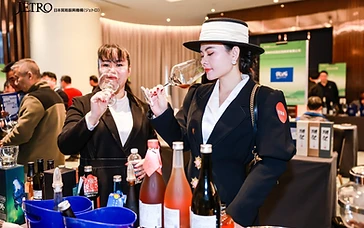
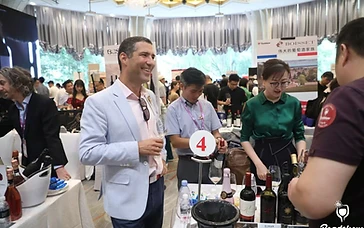
Wine sample management does not end at customs clearance; it extends to the precise moment the cork is drawn in front of a buyer. Poor booth and sample management at trade fairs compromises commercial conversions:
- Serving Wines at Incorrect Temperatures: Presenting full-bodied reds at ambient exhibition hall temperatures (often 24°C+) or serving aromatic whites and sparklers lukewarm makes the wine seem flabby and overly alcoholic.
- Absence of Preservation Systems: Once a sample bottle is opened for a morning distributor meeting, leaving it uncorked on the counter until late afternoon exposes it to oxidation. High-performing brands utilize argon gas dispensers or vacuum stoppers to preserve bottle integrity over multi-day negotiations.
- Unstructured Tasting Orders: Wineries often fail to brief booth representatives on structured sample flights, serving high-tannin reserves prior to delicate entry-tier blends, which impairs the buyer's palate.
Preparing your staff and organizing pre-scheduled distributor interactions through Business Matching ensures that each sample bottle is allocated to a qualified commercial lead under optimal tasting conditions.
6. Failing to Track Sample ROI and B2B Follow-Ups
Shipping international wine samples involves significant overhead: airfreight expenses, import duties, local carrier handling fees, and product loss. Despite this, many brands fail to track the commercial return on their sample investments.
Common post-dispatch mistakes include:
- Handing out expensive reserve samples to casual visitors without qualifying their distribution capabilities.
- Failing to record which batch, vintage, or blend was tasted by specific buyers.
- Delaying follow-up contact until weeks after the trade fair or initial pitch.
Integrate sample dispatch into your B2B CRM. Maintain a standardized database recording tracking numbers, flight tasting notes, buyer feedback, and prompt 48-hour follow-up procedures. Wineries that track their sample pipeline turn tasting expenses into signed import contracts.
Conclusion: Build a Bulletproof Sample Strategy
Treating commercial sample logistics as an afterthought undermines your international expansion strategy. By applying accurate customs valuations, strictly adhering to regional volume thresholds, investing in temperature-controlled transit, and executing structured serving protocols, international wine brands can safeguard their product quality and commercial reputation.
Are you planning your commercial market entry into China and the wider Asian market? Partner with industry-leading importers, distributors, and buyers in a fully supported professional setting. Take the next step in your global distribution journey and Become an Exhibitor with INTERWINE.
Sources
- Stimac, H., Freimann, A., & Glavas, J. (2021). Logistical Challenges in the Process of Internationalization of Companies in the Wine Industry. IDEAS/RePEc. https://ideas.repec.org/a/osi/bulimm/v21y2021p245-258.html
- FedEx Express. (2023). FedEx International Wine Shipping Documentation. FedEx Global Trade Support. https://www.fedex.com/content/dam/fedex/apac-asia-pacific/downloads/fedex-wineguide-en-au.pdf
- Wine Growers British Columbia. (2024). Top Level Guide for Shipping BC Wine SAMPLES outside Canada. WGBC Industry Resource. https://winebc.com/industry/wp-content/uploads/sites/2/2024/05/Shipping-wine-out-of-Canada.pdf
- DHL Express New Zealand. (2025/2026). International Wine Delivery Guide: Customs, Packaging, and Market Entry. DHL Discover Logistics. https://www.dhl.com/discover/en-nz/logistics-advice/essential-guides/international-wine-delivery
Key Takeaways
- —Never declare a zero-value commercial invoice for international wine samples; customs authorities require realistic values and clear 'Not for Resale' designations.
- —Exceeding sample thresholds without an Importer of Record, FDA notice, or regional trade certifications leads to border impoundment and heavy demurrage.
- —Uninsulated air-freight transit causes severe heat shock and oxidation, destroying wine quality before buyers taste the product.
- —Consolidated official shipping partners and authorized trade exhibition channels eliminate customs bottlenecks and clearance delays.
- —Professional booth-side sample management—including temperature control, inert gas preservation, and qualified business matching—is vital for maximizing ROI.
Frequently Asked Questions
Can I declare 'Zero Commercial Value' when sending wine samples to overseas trade buyers?
No. Customs agencies worldwide reject zero-value alcohol declarations because duties and excise taxes are assessed on the fair commercial value of the liquid. You should declare a realistic production cost value on the commercial or pro forma invoice and state: 'Trade Samples Only – Not for Resale'.
What happens if my wine samples get stuck in customs during an international event?
If customs requirements, health certificates, or local import permits are missing, your shipment will be held in a bonded warehouse. This incurs daily demurrage storage fees and often prevents samples from reaching trade show booths before the event concludes.
How should international wine brands protect sample bottles from heat damage during air transit?
Wineries should avoid standard postal services and instead use specialized wine shippers featuring expanded polystyrene (EPS) or molded fiber insulation alongside gel packs. For larger sample volumes, book temperature-controlled reefer consolidation or express air freight with cold-chain monitoring.
Why is working with an official event logistics partner better than using standard commercial couriers?
Official trade fair logistics forwarders specialize in alcohol import regulations, bulk customs clearance waivers, and bonded delivery directly to your stand, removing the risk of unexpected import rejections and paperwork mismatches.