Sales collateral planning for Wineries Exhibiting in China
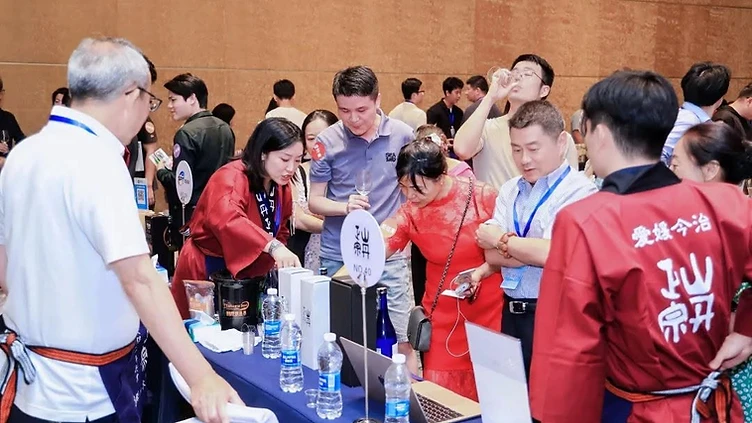
A strategic B2B guide for international wineries planning sales collateral for Chinese trade fairs, covering WeChat assets, localized spec sheets, pricing architecture, and regulatory compliance.
For international wineries entering the Chinese trade fair circuit, sales collateral is rarely just marketing material—it functions as your primary commercial qualification tool. Foreign producers frequently arrive at major trade events with glossy English brochures and European export price lists, only to discover that mainland distributors and importers engage with collateral through a completely different technological, linguistic, and commercial framework. Designing trade-ready collateral requires a disciplined alignment with Chinese B2B buying behavior, digital infrastructure, and customs expectations.
According to IWSR research cited by China Briefing, China's alcohol e-commerce channel alone is projected to grow at a compound annual growth rate (CAGR) of 6% between 2022 and 2027, commanding approximately 40% of global online alcohol sales. This digital-first ecosystem shapes how professional distributors evaluate physical trade fair exhibitors. To turn trade fair foot traffic into enforceable commercial contracts, wineries must plan both physical and digital sales collateral months prior to show day.
The Dual-Layer Collateral Model: Physical vs. Digital Assets
Mainland buyers operate in high-velocity trade environments. Heavy product catalogs are discarded or left behind due to domestic transit logistics. A professional exhibitor must deploy a two-tiered collateral framework: high-impact, tactile summary physical collateral supported by cloud-hosted, mobile-first digital assets.
Trade Visitor Engagement Flow:
[ Booth Encounter ]
        │
        ▼
[ Physical Handout: 1-Page Dual-Language Sell Sheet ]
        │
        ├─► Scans Embedded WeChat Mini-Program / Enterprise QR
        ▼
[ Digital Asset Library: PDF Specs, Video, CIF Pricing, Compliance ]
        │
        ▼
[ Real-Time Follow-up & WeChat B2B CRM Match ]
1. Physical Collateral: Concise, Single-Sheet B2B Sell Sheets
Limit printed material to single-sheet (A4 or folded landscape) brand cards printed on high-density textured paper. In Chinese business culture, material quality signals estate permanence and reliability. Physical cards should feature:
- Official Chinese brand name registered under Chinese trademark classification.
- Hero SKU imagery showing exact bottle shape, capsule, and front/back labels.
- Terroir summary, appellation classification, grape blend percentages, and critical scores (e.g., 90+ points from recognized competitions).
- Prominently positioned QR codes linking directly to enterprise WeChat channels.
2. Digital Assets: WeChat-Hosted Tech Decks
Never rely on standard URLs, Dropbox, or Google Drive links, as mainland firewalls render overseas cloud drives inaccessible without specialized virtual private networks. Host your full winery deck, estate video tours, and individual wine spec sheets on domestic servers or WeChat-optimized formats such as WeChat Mini-Programs, PDF downloads hosted via mainland CDNs, or interactive WeChat Article portfolios.
To see how professional buyers interact on the exhibition floor, review the upcoming schedule at Interwine Events and consult the Market Insights hub for regional consumption shifts.
Technical Product Sheets: What Mainland Buyers Require
Chinese importers, sub-distributors, and food-and-beverage sommeliers look for distinct operational metrics on technical sheets. While European tasting notes emphasize romantic vineyard history, commercial distributors in China demand precise technical specifications to assess shelf-life stability, customs categorization, and margin potential.
Critical Elements to Include on Technical Spec Sheets:
- Physicochemical Parameters: Exact Alcohol by Volume (ABV) stated clearly, total acidity, residual sugar (g/L), and total dry extract. Chinese customs audits require laboratory verification matching stated label figures.
- Packaging Logistics: Bottle weight (standard vs. heavy bottle preferences vary across channels), case dimensions, bottle closures (natural cork, technical cork, or screw cap), pallets per 20-foot and 40-foot container, and pallet layer stacking limits.
- Commercial Pedigree: International awards, Decanter or Gilbert & Gaillard medals, and reviews from recognized Masters of Wine. As reported by Jane Anson in March 2025 regarding Chinese market judging standards, authoritative evaluations by Masters of Wine and Master Sommeliers carry substantial weight in professional purchasing decisions.
Commercial Terms and Pricing Sheets: Segregation Rules
Never print commercial pricing on consumer-facing marketing materials or technical cards displayed on open tables. Price visibility risks channel conflict, especially when negotiating with regional wholesalers or direct e-commerce operators.
Maintain private, dual-language digital and hard-copy commercial sheets reserved exclusively for closed-door discussions. These pricing sheets must reflect standard Chinese import cost mechanics:
| Pricing Tier | Currency Standard | Mandatory Details Included | | :--- | :--- | :--- | | EXW (Ex-Works) | EUR / USD / AUD | Winery dispatch point, pallet handling fees, minimum order quantity (MOQ) per SKU | | FOB (Free on Board) | EUR / USD / AUD | Port of origin (e.g., FOB Bordeaux, FOB Adelaide), lead time to port | | CIF (Cost, Insurance & Freight) | USD / EUR / RMB | Destination port (e.g., CIF Guangzhou, CIF Shanghai, CIF Shenzhen) |
Following the lifting of punitive tariffs on Australian wine in March 2024 (where tariffs previously reached up to 218.4%, as outlined by MS Advisory), market dynamics have grown more competitive. Importers monitor currency volatility closely; therefore, indicate sheet validity windows (e.g., "Pricing valid for 90 days from exhibition date") to protect your margins.
Brand Naming, Cultural Localization, and Label Translation
According to legal and trade analyses published by China Briefing, selecting and registering a dedicated Chinese brand name is essential for market penetration and trademark security. Distributing sales collateral bearing only Latin-alphabet branding leaves a producer vulnerable to unauthorized third-party trademark filings and makes it difficult for domestic distributors to market the brand through provincial distribution tiers.
Guidelines for Collateral Localization:
- Phonetic vs. Phono-Semantic Names: Choose a Chinese brand name that either replicates the sound of the estate or conveys historical prestige, agriculture, and quality (e.g., using characters denoting nobility, jade, or longevity).
- Avoid Literal Machine Translations: Wine descriptors like "barnyard," "flinty," or "petrol" do not resonate favorably with commercial tier-2 and tier-3 regional distributors. Reframe sensory profiles toward structured fruit profiles, clean oak integration, and food-pairing versatility matching regional Chinese culinary profiles.
- Chinese Back-Label Proofs: Include an accurate mockup of your Chinese back-label on technical spec sheets. This demonstrates to prospective importers that your brand understands the mandatory requirements of the State Administration for Market Regulation (SAMR) and General Administration of Customs of China (GACC), including ingredient declarations, allergen warnings, and Chinese font height compliance.
Before finalizing your presence, verify your registration details via the Become an Exhibitor portal and ensure your travel team leverages the Invitation Letter and Visa Support services well in advance.
Integrating Digital Ecosystems: WeChat and QR Infrastructure
At a Chinese exhibition, traditional business cards are secondary to the personal and enterprise WeChat QR code. If your sales collateral does not guide the distributor directly into an interactive WeChat ecosystem, your follow-up conversion rate will drop significantly post-show.
Collateral QR Strategy:
┌───────────────────────────────────────────────┐
│            Exhibitor Booth Collateral         │
├───────────────────────┬───────────────────────┤
│  Personal Representative│  Enterprise mini-hub │
│  WeChat QR Code       │  WeChat QR Code       │
├───────────────────────┼───────────────────────┤
│  Immediate conversation│  Product specs, brand │
│  and contact exchange │  videos, logistics    │
└───────────────────────┴───────────────────────┘
Pre-Show Digital Collateral Checklist:
- WeChat Business Card: Ensure all booth personnel carry a functioning WeChat account configured with clear business naming, company association, and direct contact details.
- Digital Flip-Books: Convert English PDF presentation decks into HTML5 mobile-responsive pages or WeChat-friendly digital flip-books that open instantaneously on domestic Chinese networks.
- Bilingual Video Assets: Store short estate and winemaking videos (under 60 seconds) with simplified Chinese subtitles directly on your phone or local tablet for offline screening during distributor meetings.
For practical advice on bringing samples and display assets to the venue, review the Arrival and Transportation guide to prevent customs delays at port of entry.
Post-Event Digital Distribution and Trade Matching
Trade fair negotiations rarely close on the exhibition floor; they materialize during post-show due diligence. Your collateral must facilitate rapid follow-up. Historical buyer segmentation from Ketong International Exhibition shows that over 80% of registered attendees at leading national platforms are operational decision-makers, general managers, or procurement leads looking for direct supply partnerships.
To ensure commercial traction following the fair:
- Group scanned contacts daily based on distribution channel (on-trade, corporate gifting, cross-border e-commerce, or regional wholesale).
- Send customized digital packages via WeChat within 24 hours of first meeting at the booth, referencing specific tasted wines.
- Coordinate follow-up meetings using dedicated Business Matching services to structure importer negotiations around verified CIF volume commitments.
Conclusion: Turning Collateral into Contracts
Sales collateral for the Chinese wine market is not a generic marketing exercise; it is an integrated commercial protocol. Wineries that succeed at Chinese wine fairs combine clear, culturally resonant physical sell sheets with friction-free digital WeChat infrastructure and transparent export pricing. By preparing your brand collateral according to the technical, legal, and operational realities of the mainland trade, you position your estate as an established, professional partner ready for sustainable distribution across China.
Sources
- MS Advisory: Wine Market in China: Trends, Growth, and Consumer Preferences (2024–2025) — https://msadvisory.com/wine-market-in-china/
- China Briefing (Dezan Shira & Associates): China's Wine Market Outlook: Trends and Opportunities — https://www.china-briefing.com/news/chinas-wine-market-outlook-trends-and-opportunities
- Jane Anson: Market Insights: Chinese wine industry in 2025 (March 2025) — https://janeanson.com/market-insights-chinese-wine-industry-in-2025
- Ketong International Exhibition: 23rd Interwine China Show Report & Visitor Analysis — https://15790346.s21i.faiusr.com/61/ABUIABA9GAAg_MaG9AUorKHppAY.pdf
Key Takeaways
- —Adopt a dual-layer collateral strategy: use high-quality physical single-page sell sheets paired with cloud-based WeChat digital assets.
- —Never host digital collateral on Google Drive or Dropbox; ensure all digital decks and videos reside on mainland-accessible servers or WeChat mini-hubs.
- —Include essential technical data on spec sheets (ABV, residual sugar, dry extract, case/pallet dimensions) required for Chinese customs and distributor audits.
- —Keep commercial pricing sheets strictly segregated from promotional flyers, offering clear EXW, FOB, and CIF price tiers with defined validity windows.
- —Register and feature an authentic Chinese trademark name on all sales material to prevent trademark piracy and ease regional distributor marketing.
Frequently Asked Questions
What is the biggest mistake wineries make with collateral at Chinese trade fairs?
The most frequent error is bringing heavy, multi-page English brochures with QR codes pointing to western cloud services (like Dropbox or Google Drive) or foreign websites blocked by China's internet gateway. Buyers will not take heavy printouts or navigate blocked links; all digital assets must be accessible via WeChat on domestic servers.
Should wine pricing be listed on public exhibition sell sheets?
No. Public promotional materials and technical wine cards should never include pricing. Commercial terms (EXW, FOB, and CIF destination ports) must be compiled in a separate, dual-language commercial pricing document shared only during qualified, closed-door B2B discussions to prevent channel conflict.
Why is an official Chinese brand name necessary on collateral?
Most regional Chinese sub-distributors and end consumers do not search or transact in Latin script. Having a registered Chinese brand name on all collateral protects your estate against trademark infringement and equips distributors with the exact commercial identity required for regulatory filings and marketing.
What technical parameters must be included on a Chinese wine spec sheet?
Technical sheets must state precise Alcohol by Volume (ABV), total acidity, residual sugar (g/L), total dry extract, closure type, bottle weight, and case/pallet logistics. These metrics are evaluated by importers to confirm GACC customs compliance and channel suitability.
How should video collateral be presented at the exhibition booth?
Keep videos under 60 seconds, embed simplified Chinese subtitles, and store the video files directly on a local tablet or phone. Streaming directly from external websites or YouTube during trade fairs is unreliable due to venue network congestion and domestic firewall restrictions.