Exhibition staff training for Wineries Exhibiting in China
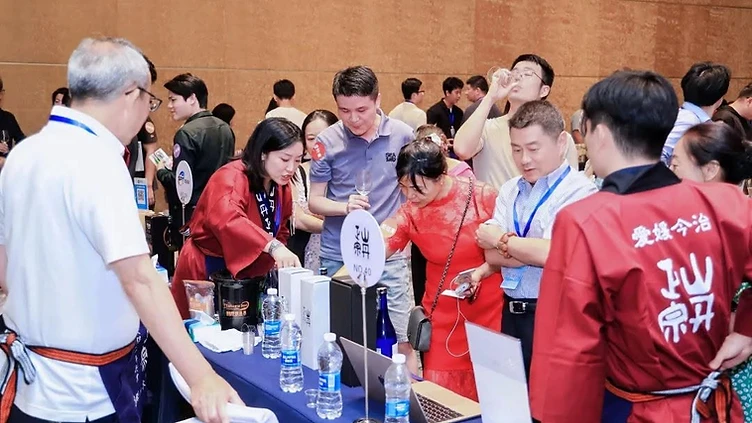
A comprehensive operational blueprint for training winery exhibition staff in China, covering cross-cultural business etiquette, bilingual pitch scripting, and WeChat lead qualification.
Professional booth representation directly dictates commercial success when international wineries exhibit in China. Many overseas wine producers invest thousands of euros into exhibition space, shipping, and sample clearance, only to populate their stand with either unbriefed third-party hostesses or winery representatives who do not understand local commercial communication. To transform booth footfall into signed purchase contracts and active distribution agreements, wineries must deliver deliberate, rigorous exhibition staff training for wineries exhibiting in china before their team steps onto the show floor.
China's alcoholic beverage landscape is shaped by distinct purchasing behaviors, regional palate preferences, and specialized B2B communication channels. According to analysis published by the EU SME Centre (2024), establishing a sustainable wine presence in China requires nurturing long-term commercial relationships and delivering targeted local marketing support rather than relying on transactional, one-off sales. Wineries preparing to become an exhibitor must equip their team with cultural fluency, clear technical scripts, commercial authority, and digital tools tailored specifically for Chinese buyers.
Core Pillars of Booth Staffing: Winery Principals vs. Bilingual Brand Ambassadors
One of the most frequent mistakes made by foreign wineries at Chinese trade expos is relying entirely on non-specialist promotional staff hired through local modeling or staffing agencies. While hostesses provide basic linguistic translation, they generally lack wine knowledge, cannot answer technical winemaking questions, and cannot negotiate commercial terms.
The Hybrid Staffing Model
The most effective booth staffing structure pairs an authorized winery principal (winemaker, export manager, or estate owner) with a trained bilingual wine specialist (such as a WSET-certified Chinese speaker or professional wine translator). The winery principal delivers authenticity, corporate commitment, and brand heritage—attributes that carry significant weight in Chinese business culture. The local specialist bridges nuance, interprets regional dialects, and translates commercial terminology in real time.
Required Pre-Show Briefings for Third-Party Staff
If you recruit local interpreters or agency personnel, training must begin at least three weeks prior to the trade fair. Your onboarding curriculum should include:
- Core Brand Identity and Unique Selling Propositions (USPs): Region, terroir, organic/biodynamic certifications, production scale, and flagship awards.
- Tasting Profiles and Palate Alignments: Flavor notes translated into Chinese food pairings and sensory descriptors relevant to local culinary traditions.
- Commercial Guardrails: Strict guidance on which details staff can quote (such as MOQ, FOB/CIF terms, and incoterms) and what must be escalated immediately to the export manager.
- Pouring and Glassware Hygiene: Best practices for handling wine service cleanly and professionally under heavy trade-show floor traffic.
Cross-Cultural Business Etiquette and Show Floor Protocol
Western trade fair habits can undermine credibility in an Asian business environment. Chinese business interactions prioritize respect, hierarchy, and professional courtesy.
Mingpian (Business Card) Exchange Rituals
The exchange of business cards (mingpian) remains an essential professional ceremony:
- Dual-Hand Presentation: Always offer and receive business cards using both hands, with the text facing the recipient.
- Immediate Respectful Review: Never slide a card immediately into your pocket or mark it with a pen in front of the contact. Study it for several seconds, noting the person's title and company name.
- Card Placement During Conversations: Lay cards carefully on the tasting table or in a designated card holder in front of you during negotiations so you address the senior decision-maker correctly.
Professional Demeanor on the Exhibition Floor
Booth dynamics must project focus and hospitality:
- Staff must avoid sitting on chairs behind high counters, eating lunch in public view, or staring at personal smartphone screens.
- Stand at a comfortable, open 45-degree angle to the aisle, welcoming trade visitors with eye contact and a polite nod.
- Respect rank: When an importer visits with an entourage, address the senior executive first while treating accompanying associates with equal professional courtesy.
For additional perspective on logistics, timing, and travel preparation, explore our Market Insights and show planning resources.
Developing a Targeted Pitch: Translating Terroir for Chinese Buyers
European and New World wineries often rely on verbose explanations of soil minerality, microclimates, and indigenous yeasts. In the Chinese wholesale and on-premise sectors, buyers demand concise, commercially viable storytelling.
Prioritizing Commercial Reality Over Arcane Viticulture
Chinese wine distributors evaluate three primary considerations:
- Consumer Visual Appeal: Bottle weight, label design, aesthetic elegance, and gifting suitability.
- Margin Structure and Exclusivity: Clear channel segmentation (on-premise, corporate gifting, regional retail) and distributor margin protection.
- After-Sales Support: Winery-led masterclasses, brand ambassador visits, educational materials, and tasting allowances.
According to research from Euromonitor International (2025), changing consumer purchasing behavior and economic prudence in China have driven distributors to seek measurable value, strong brand identity, and dependable commercial reliability. Staff must be trained to emphasize these commercial foundations.
Sample Scripting Matrix for Booth Teams
| Buyer Question | Sub-optimal Academic Response | Recommended Commercial Script | | :--- | :--- | :--- | | "What is special about your wine?" | "Our vineyard is located on a steep schist slope with 40-year-old vines and spontaneous fermentation." | "We produce an estate-bottled, award-winning Reserve with classic European packaging, offering strong gift appeal and a guaranteed 40%+ distributor margin." | | "What support do you provide?" | "We can send you our English technical sheet and brochure via email." | "We provide translated WeChat digital marketing kits, co-branded masterclasses, and tasting sample allocations for qualified distributors." | | "Can we negotiate a lower MOQ?" | "No, our winery policy is strictly one full container." | "Our standard minimum is a multi-pallet mixed assortment, which allows you to test regional consumer demand before committing to full container orders." |
Digital Workflow and WeChat Lead Qualification
Printed business cards and paper visitor logs are easily lost or misplaced after an intense three-day fair. In China, business communication runs primarily on WeChat.
The Mandatory WeChat Workstation Protocol
Every booth staff member must have an updated, business-facing WeChat profile:
- Profile Setup: Set the profile name to [Western Name] + [Chinese Name] + [Winery Name]. Use a clear, professional corporate headshot rather than an avatar or logo.
- Digital Collateral Integration: Keep a mobile portfolio, product sheets, and high-resolution bottle photographs readily accessible inside WeChat Favorites for instant sharing via QR code.
- Contact Tagging: Staff must tag and label every new contact immediately after an interaction. Assign tags by role (Importer, Wholesaler, Sommelier, Media) and buying timeline (Urgent, Q3 Sourcing, Casual Inquirer).
Connecting digital leads directly into scheduled one-on-one sessions during the show through our Business Matching service ensures qualified buyers receive prompt, organized follow-up.
Commercial Alignment: Pricing, MOQs, and Incoterms
Exhibition staff should never guess commercial parameters during live negotiations. Confusion regarding FOB, CIF, import duty structures, or minimum order volumes diminishes buyer confidence.
Preparing the Confidential Commercial Sheet
Ensure booth staff carry a laminated, confidential pricing folder detailing:
- FOB Port of Origin vs. CIF Major Chinese Ports (Guangzhou, Shanghai, Shenzhen, Ningbo).
- Pallet Configurations: Bottles per case, cases per pallet, and optimal container loading configurations (20ft vs. 40ft reefers).
- Sample Allocation Policies: Clear terms on complimentary bottles provided for distributor sampling events.
When international producers showcase alongside established distributors featured in the Exhibitor Directory, maintaining transparent, consistent pricing across all channels protects brand equity and long-term wholesale partnerships.
Operational Lead Follow-Up Protocol
A trade show does not end when the exhibition hall lights turn off. Chinese wine buyers meet dozens of suppliers over the course of a fair; prompt follow-up is essential.
- Same-Day WeChat Touchpoint: Send a brief, polite greeting via WeChat before leaving the venue each evening: "It was a pleasure meeting you at our booth today. Here is the PDF catalogue we discussed for your review."
- Detailed Post-Show Proposal (Within 72 Hours): Provide formal FOB/CIF price quotations, lab analyses, and high-resolution packaging shots via email and WeChat.
- Sample Dispatch Tracking: Ensure any physical tasting samples requested by qualified importers are dispatched from bonded stock or air-shipped with tracking numbers shared immediately.
Conclusion: Maximize Your China Trade Fair ROI
Exhibition staff training transforms your booth from a passive tasting counter into a productive commercial enterprise. By combining technical wine fluency with Chinese business etiquette, clear pricing parameters, and digital lead capture, international wineries protect their brand image and accelerate distributor acquisition. Prepare your export team now and apply to become an exhibitor at INTERWINE to secure targeted distribution across China's wine markets.
Sources
- EU SME Centre (2024): China's Wine Market Case Study Series: Exporting Wine, Forging Alliances, and Branding — https://www.eusmecentre.org.cn/publications/chinas-wine-market-case-study-series-michele-taccetti/
- Euromonitor International (2025): Wine in China Market Research Report — https://www.euromonitor.com/wine-in-china/report
- Rural News Group (2012): China – Do Your Homework: New Zealand Winegrower Market Analysis — https://www.ruralnewsgroup.co.nz/wine-grower/wg-general-news/china-%E2%80%93-do-your-homework
Key Takeaways
- —A hybrid booth staffing model pairing a winery principal with a bilingual wine specialist delivers the highest conversion rate among Chinese trade buyers.
- —Exchanging business cards (mingpian) using both hands and demonstrating immediate respect is a crucial professional expectation on the Chinese show floor.
- —B2B sales pitches must focus on commercial margins, packaging appeal, and distributor support rather than overly academic terroir descriptions.
- —WeChat QR codes and contact tagging must replace paper-based sign-in forms to ensure zero lead drop-off during and after the trade fair.
- —Transparent FOB/CIF pricing and defined sample allocations must be established in advance to prevent confusion during buyer negotiations.
Frequently Asked Questions
Why is third-party agency staffing alone insufficient for wine expos in China?
General promotion agencies provide staff with language skills, but they typically lack technical wine education, cannot communicate terroir or production nuances, and cannot negotiate commercial terms. Pairing a winery principal with a bilingual wine interpreter ensures both brand credibility and smooth communication.
How should booth staff handle business cards (mingpian) in China?
Staff should always offer and receive business cards using both hands with the text facing the recipient. They should review the card carefully for several seconds rather than immediately tucking it away, and place it respectfully on the tasting table during the discussion.
What is the best way to capture buyer leads during a Chinese wine trade show?
WeChat is the dominant B2B communication tool in China. Booth staff should display personal work WeChat QR codes, add buyers immediately on the floor, tag them by commercial role and purchasing volume, and share digital catalogues directly through the app.
What commercial information must winery exhibition staff have on hand?
Staff must have confidential pricing sheets detailing FOB and CIF port costs, minimum order quantities (MOQs), container pallet configurations, distributor margin models, and established sample allocation policies.
How quickly should booth teams follow up with Chinese wine buyers?
Initial informal follow-up should occur via WeChat on the same evening of the meeting. Formal commercial proposals, specification sheets, and CIF quotation breakdowns should be sent via email and WeChat within 48 to 72 hours of the trade show closing.