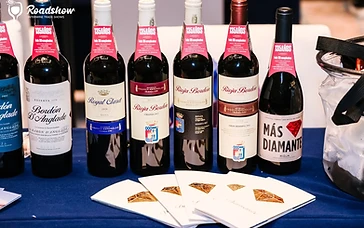
How to Enter the Chinese Wine Market: A Step-by-Step Guide

Navigating the complexities of the Chinese wine market requires a strategic blend of regulatory compliance, localized distribution partnerships, and professional trade engagement.
The Chinese wine market remains a critical frontier for international producers, yet its unique regulatory and cultural landscape demands a disciplined, long-term approach. Entering this market is not merely about supply; it is about building a brand architecture that resonates with a sophisticated and evolving consumer base. Successfully positioning an international wine or spirits label in China relies on four pillars: strict regulatory adherence, strategic distribution selection, localized pricing models, and face-to-face engagement through premier trade platforms like Interwine.
Understanding the Regulatory Landscape: GACC and CIQ Compliance
Before a single bottle arrives at a Chinese port, exporters must master the requirements set forth by the General Administration of Customs of China (GACC) and the China Inspection and Quarantine (CIQ). Compliance is the absolute bedrock of your market entry; failure here leads to significant delays, financial penalties, or full shipment rejection. You must ensure that all labels comply with the mandatory GB 7715-2011 standards. These regulations dictate specific Chinese-language information, including the official product name, alcohol content by volume, full ingredient list, country of origin, and detailed importer contact information. Partnering with a logistics expert familiar with these specific requirements is not optional—it is a business necessity for any serious exporter. Ensure your core documentation, including the Certificate of Origin and health-related attestations, is impeccable. Remember that regulations in China can be fluid; maintain a close, proactive relationship with your local agent to stay informed of any legislative shifts in food safety protocols or import labeling mandates.
Choosing Your Strategic Path: Direct Import vs. Distributor Partnerships
For most international wineries, the fundamental question is whether to manage direct distribution or leverage an established importer. While direct import offers higher control over brand messaging, it requires a significant capital investment in local infrastructure, legal entity establishment, and marketing support. For the vast majority of small to mid-sized producers, finding a reputable local distributor is the most efficient and scalable route. A high-quality distributor acts as your 'boots-on-the-ground' representative, navigating regional cultural nuances and managing the inherent complexities of the multi-tier system. When evaluating potential partners, look for those with a proven track record in your specific segment, whether that be ultra-premium gifting, casual dining, or high-volume retail. A distributor’s ability to move product effectively through provincial capitals is often more valuable than a presence in a single mega-city, as the reach across diverse provinces is what truly builds national brand awareness.
Developing a Competitive and Sustainable Pricing Strategy
Pricing in China is frequently misunderstood by newcomers who fail to accurately account for the layers within the distribution chain. You must calculate your Ex-Cellars price with the total cost of landed tax—including import duties, consumption taxes, and VAT—at the forefront of your strategy. Furthermore, consider the 'value perception' of your brand. In China, wine is often consumed as a gift or a luxury accompaniment to fine dining; therefore, overly aggressive entry-level pricing can sometimes backfire, inadvertently positioning your brand as 'budget' rather than 'premium.' Conduct extensive benchmarking against existing international labels already established in your target province to understand the shelf-price elasticity. If your product is priced too low, you may miss out on the prestige-driven market segment; if it is priced too high without sufficient brand awareness, you risk inventory stagnation.
The Role of Trade Exhibitions in Market Penetration
Trade exhibitions remain the most potent tool for brand discovery and professional business matching in China. Platforms like Interwine offer more than just a physical booth; they provide a comprehensive manifestation of your brand’s commitment to the Chinese market. For a potential distributor, meeting a winery representative face-to-face instills a level of confidence and trust that digital communication simply cannot replicate. Use these events to host masterclasses, demonstrate your product’s quality, and engage directly with key decision-makers from across the country. The professional environment of an exhibition allows you to validate your pricing, gauge consumer reception to your packaging, and secure commitments from buyers who are actively searching for new, high-quality inventory. By centralizing your outreach efforts, you maximize your marketing ROI and shorten the sales cycle significantly.
Building Long-Term Brand Equity and Consumer Trust
Market entry is only the first step. To thrive in the long term, you must invest in ongoing education and brand storytelling. Chinese consumers are becoming increasingly knowledgeable about viticulture, terroir, and production methods. Utilize the expertise found in industry trade forums and educational sessions to train your distributor’s sales teams. When the frontline staff fully understands the unique story behind your vintage, their ability to sell your product to retailers and restaurateurs increases exponentially. Consistency is the hallmark of success—ensure your brand message is unified across all marketing channels, and prioritize transparency in all your trade relations. By fostering deep, long-term professional connections and maintaining a high standard of quality, you create the trust necessary to move from a market entrant to a market fixture. The journey is rigorous, but the potential rewards in the world’s most dynamic spirits and wine market are unmatched for those willing to commit to the local business culture and invest in the relationships that underpin every successful transaction. Success in China is a marathon, not a sprint, and your dedication to the nuances of the local market will be rewarded with loyal partnerships and sustained demand.
Key Takeaways
- —Strict adherence to GB 7715-2011 labeling standards is mandatory for successful customs clearance and regulatory approval.
- —Partnering with an established local distributor is generally more effective than independent direct distribution for mid-sized wineries.
- —Pricing strategies must account for all import duties, consumption taxes, and the value-based consumer perception prevalent in the Chinese market.
- —Participation in established trade platforms like Interwine is essential for building real-world distributor confidence and brand legitimacy.
- —Ongoing investment in education and training for your distributor's sales team is critical for sustained market performance and brand advocacy.
Frequently Asked Questions
What are the primary labeling requirements for wine entering China?
All wine imported into China must comply with the GB 7715-2011 standard. This requires a comprehensive Chinese-language label affixed to the bottle. Mandatory information includes the product name, alcohol content by volume, ingredient list, country of origin, importer contact details, and production or bottling date. Non-compliance can lead to the detention of goods at customs, so it is highly recommended to have your labels reviewed by your local importer or a qualified customs broker before printing.
Should I focus on direct import or use a distributor in China?
For most international brands, utilizing a local distributor is the most sustainable approach. The Chinese market is vast, and a local partner provides the necessary network to navigate the complex provincial distribution tiers. Direct import is usually reserved for large multinational corporations with existing local infrastructure. A distributor acts as your legal importer and handles the day-to-day logistics, market placement, and relationships with local retailers and hospitality venues, significantly lowering your barrier to entry.
How important are trade exhibitions for a new wine brand in China?
Trade exhibitions are vital for building trust and brand visibility in the Chinese market. They offer a unique environment for face-to-face relationship building, which is culturally significant for securing long-term business partnerships. Attending events like Interwine allows you to meet multiple distributors at once, present your products directly to buyers, and gain firsthand insight into current market trends and competitive pricing structures in real-time.
How do I calculate the final consumer price in the Chinese market?
Calculating final pricing requires a thorough understanding of the landed cost, which includes the Ex-Cellars price plus ocean/air freight, insurance, import duties, consumption tax, and value-added tax (VAT). Once the product arrives, you must account for the margins required by the importer, regional wholesalers, and the final retailer or restaurant. It is critical to benchmark your final expected shelf price against similar categories currently available to ensure your brand remains competitive without being undervalued.
What role does education play in selling wine in China?
Education is a primary driver of sales in the premium segment of the Chinese market. As consumers become more sophisticated, they place a higher value on knowing the story behind the bottle, the terroir, and the specific winemaking techniques used. Providing training sessions for your distributor's sales teams and hosting educational masterclasses for local trade professionals are essential steps in empowering your partners to communicate your brand's unique value proposition effectively to retailers and consumers.