Wine Distribution in China: Channels, Challenges & Best Practices
Navigate the complex landscape of wine distribution in China by leveraging traditional import channels alongside the rapid evolution of O2O, live commerce, and specialized HoReCa networks.
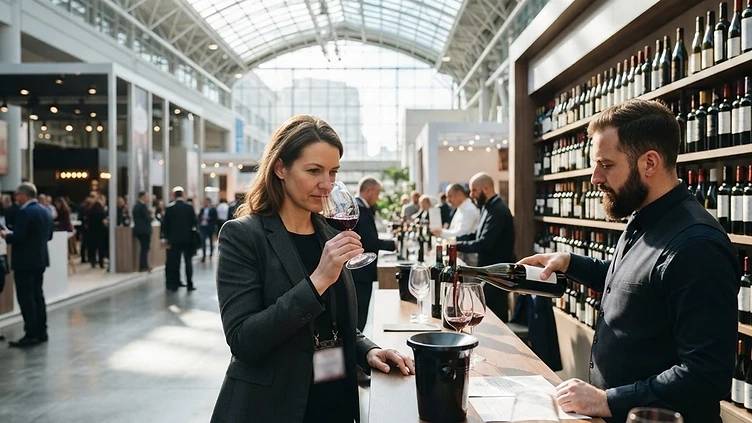
Navigating the Evolution of Wine Distribution in China. The Chinese wine and spirits market represents one of the most dynamic environments for global producers, defined by a rapid transition from traditional, tiered distribution to a multifaceted digital-first ecosystem. For international wineries and spirits brands, success is no longer contingent solely on finding a national distributor; it requires a strategic alignment between brand positioning, regional network strength, and digital engagement. The current distribution landscape is best understood as a hybrid model where physical presence in key provinces remains essential, yet the path to the consumer is increasingly driven by e-commerce, live commerce, and boutique retail experiences. To effectively enter or expand within this market, companies must look beyond the traditional 'tier-one city' focus and embrace the regional nuances of China’s provincial appetite for imported products. ## The Traditional Tiered Structure: Still the Backbone. Despite the digital disruption, the traditional tiered distribution model continues to be the primary engine for moving premium products across China's vast geography. Typically, this involves national importers, regional sub-distributors, and local wholesalers. While this structure offers massive reach, it often creates challenges regarding price transparency and brand control. For international producers, the 'best practice' is to maintain a healthy tension in these relationships. High-end labels frequently find success by segmenting their distribution: choosing specialized importers for prestige retail and fine dining (HoReCa) while leveraging larger, volume-focused distributors for mass-market availability. The key to navigating this is stringent contract management and regular visits to local partners, ensuring they are not just warehousing the product but actively representing the brand's heritage. ## The E-commerce Dominance: Tmall, JD, and Beyond. E-commerce platforms like Tmall and JD.com have moved from supplementary channels to primary revenue streams. These platforms are not merely storefronts; they are data-rich environments that allow producers to understand consumer preferences in real-time. For an international brand, launching on these platforms requires a sophisticated approach to digital shelf management. This includes optimizing product photography, managing authentic user reviews, and, most importantly, leveraging the platform’s 'Global' iterations which cater specifically to consumers seeking imported goods. However, e-commerce should not be viewed in isolation. The most successful brands in China employ an 'Omnichannel' strategy, where the e-commerce presence acts as a marketing funnel that directs high-intent traffic to physical tasting events or specialized boutiques. ## The Rise of Live Commerce and Social Selling. Live-streaming has fundamentally changed the speed at which wine is sold in China. Platforms like Douyin have transformed the wine buying experience from a static search-and-buy transaction into an interactive, educational entertainment session. For international brands, this presents a unique challenge and opportunity. Consumers no longer buy just the wine; they buy the story behind the vineyard, the personality of the winemaker, and the lifestyle the brand represents. Partnering with professional Key Opinion Leaders (KOLs) or Key Opinion Consumers (KOCs) who possess deep technical wine knowledge is essential. These influencers act as curators, providing the technical credibility needed to move premium products in a live format. Brands must ensure that any live-streaming partner fully understands the regulatory requirements surrounding alcohol sales in China, as compliance is strictly monitored. ## HoReCa: The Engine of Prestige. The Hotel, Restaurant, and Cafe (HoReCa) sector remains the most effective channel for brand building and premium positioning. In cities like Shanghai, Guangzhou, and Beijing, wine lists are increasingly viewed as a signature of the establishment's quality. To penetrate this market, producers must focus on B2B relationship-building. This means investing in staff training, providing high-quality POS materials, and participating in regional trade exhibitions where sommeliers and food and beverage managers gather to discover new portfolios. A presence in the HoReCa sector provides the 'social proof' necessary to gain traction in retail channels later. Interwine events serve as a critical bridge here, providing the platform for brands to showcase their products directly to the buyers who shape the portfolios of China's most influential venues. ## Regional Market Diversification. China is not a monolithic market. A strategy that works for a high-end French wine in the boutiques of Shanghai might fail in the rapidly growing markets of China's 'new tier-one' or 'tier-two' cities. Brands must conduct regional market audits, identifying where their style of wine matches local dietary habits and consumption occasions. For instance, northern regions may show higher interest in structured red wines for social gatherings, while southern, coastal cities often exhibit a greater appetite for lighter, fresher styles, including premium spirits and RTDs. ## Strategic Recommendations for International Producers. Success in the Chinese market requires patience and agility. Firstly, prioritize building long-term, transparent relationships with local partners who have proven track records in your specific category. Avoid the temptation to saturate the market; instead, focus on establishing a 'beachhead'—a specific region or channel where your brand can be the market leader. Secondly, ensure your digital presence is fully localized. This extends beyond simple language translation to the cultural nuances of how wine is consumed in China—such as the importance of food pairing with local cuisine or the role of gifting culture during festivals. Finally, maintain a physical presence. The digital-first approach works best when reinforced by consistent attendance at major trade forums, ensuring that your brand remains top-of-mind for the decision-makers who visit these gatherings to scout their next import acquisition. As the Chinese wine market continues to mature, those who combine digital sophistication with traditional relationship-based commerce will be the ones who achieve sustainable, long-term growth.
Key Takeaways
- —Leverage an omnichannel strategy that integrates traditional distribution with high-growth e-commerce platforms like Tmall and JD.com.
- —Invest in live commerce with vetted KOLs to build brand equity and provide the educational storytelling that Chinese consumers demand.
- —Prioritize the HoReCa sector for brand building and premium positioning to create the necessary social proof for mass-market retail.
- —Treat China as a collection of regional markets rather than a single territory, adapting product focus to local dietary and consumption trends.
- —Maintain long-term, transparent partnerships with local distributors to ensure brand control and consistency in a complex landscape.
Frequently Asked Questions
Which distribution channel is best for new wine brands in China?
There is no single 'best' channel. For new brands, the most effective approach is often a combination of a reliable regional importer for physical footprint and a specialized e-commerce partner for brand visibility. Focus on building relationships within the HoReCa sector to create prestige, which then makes it easier to negotiate better terms with retail and online distributors.
How important is live commerce for wine sales?
Live commerce is increasingly critical for reaching younger, digitally savvy consumers. It acts as an interactive platform for storytelling and education, which is vital for premium brands. However, it requires a strong, knowledgeable host who can articulate the wine's quality to comply with consumer expectations for authenticity and expert guidance.
Is it possible to sell wine in China without a local distributor?
While e-commerce 'Global' platforms allow for some direct-to-consumer access, having a local partner is highly recommended due to the complexities of logistics, customs, and regional tax regulations. A local partner provides the necessary cultural expertise and network to scale operations beyond the major Tier-1 cities.
How can brands overcome the challenge of brand dilution in China?
Brand dilution is often caused by lack of oversight in the secondary and tertiary distribution tiers. To mitigate this, brands should implement strict price monitoring, maintain direct communication with their sub-distributors, and ensure that marketing materials and digital content remain consistent across all platforms, regardless of the retailer.
What is the role of trade shows in the Chinese wine market?
Trade shows like Interwine are essential for establishing direct B2B connections. They provide a unique space for producers to present their portfolios to key importers, sommeliers, and retailers in one location. This direct engagement is the fastest way to find qualified partners and understand the pulse of the market.